Five ways Atlanta is embracing plant-based diets

Restaurants like the Plant Based Pizzeria off of Ponce de Leon Ave. are growing in popularity across Atlanta.

Plant-based cuisines have become a staple in Atlanta’s restaurant scene. A survey by WalletHub in September 2019 placed Atlanta as the 6th best city for vegans and vegetarians, even beating out cities like New York and San Francisco. Here are five ways that Atlanta is embracing the vegan and vegetarian dishes into its menus.

  1. College like Georgia Tech, Georgia State, and Emory University are now offering vegetarian and vegan options in their restaurants and dining halls. This shift comes from a growing number of students who want to see more plant-based foods on their school’s menu.  
  1. The Slutty Vegan, the vegan burger joint that has become a massive sensation since opening in 2018, has partnered with Rap Snack to release an all-vegan potato chip line. The snacks will be available in over 100,000 stores in Atlanta and across the U.S. this December. 
  1. Atlantans became the judges for KFC’s attempt to go vegan back in August. One KFC location in Smyrna, Georgia, was the test site for the national chain’s newest menu item, “Beyond Fried Chicken.” A plant-based chicken product created by KFC and Beyond Meat could be released nationwide soon. 
  1. New restaurants like Grass VBQ Joint, a plant-based barbecue joint, and the aptly named, Plant Based Pizzeria have been opening since the beginning of 2019. Restaurants like these are helping vegans and vegetarians fill the voids for undeserved cuisines in their communities. 
  1. Ammazza’s pizza restaurants in Decatur and on Edgewood Avenue added an all-vegan menu to both of their locations in June. The rise of plant-based lifestyles and diets have encourage established restaurant to start offering more vegan and vegetarians items on their menu’s.  

The demand for plant-based food has been on the rise not only in Atlanta but also in America. According to a report by Food Business News, sales for plant-based meat have gone up by 10 % in the past year, and the trends for plant-based cheese and eggs have similar results. Atlanta is sending a clear message to its communities and the rest of the U.S. that these new food trends are here to stay.
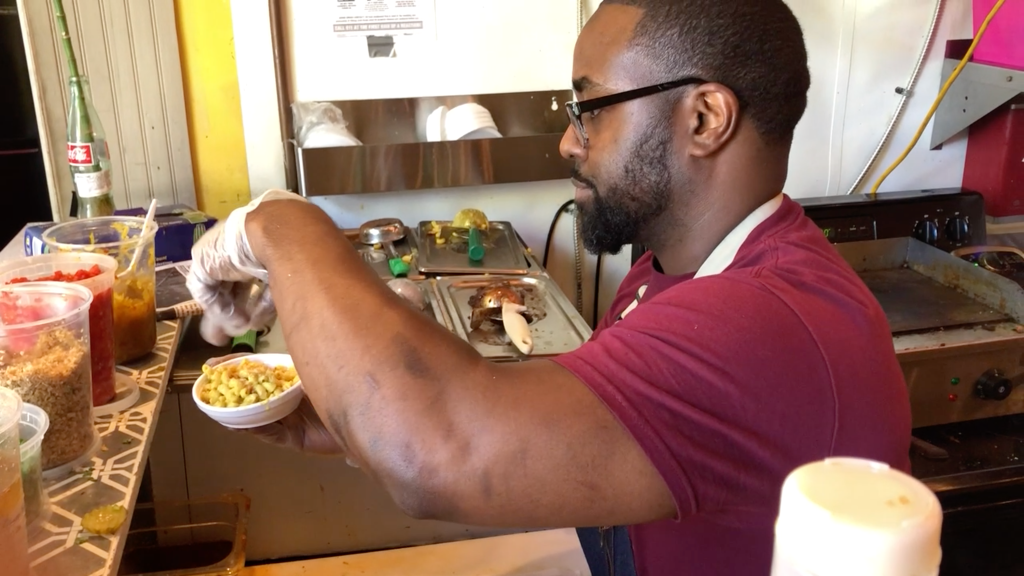
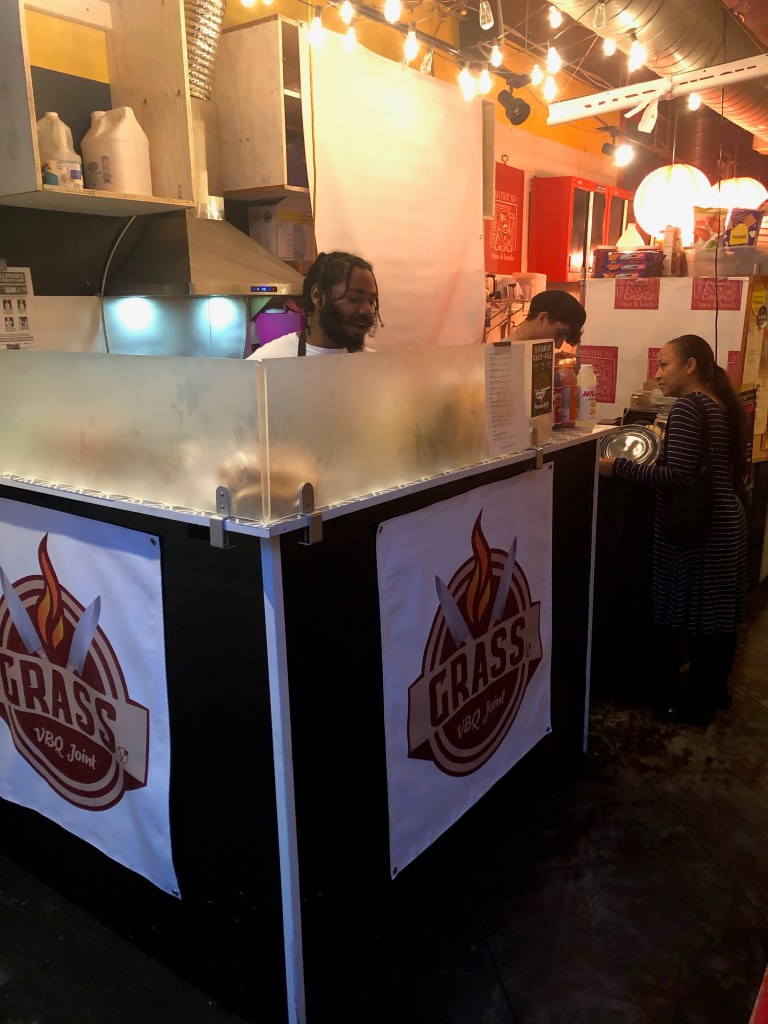
Vegan barbecue joint brings unique taste to East Atlanta

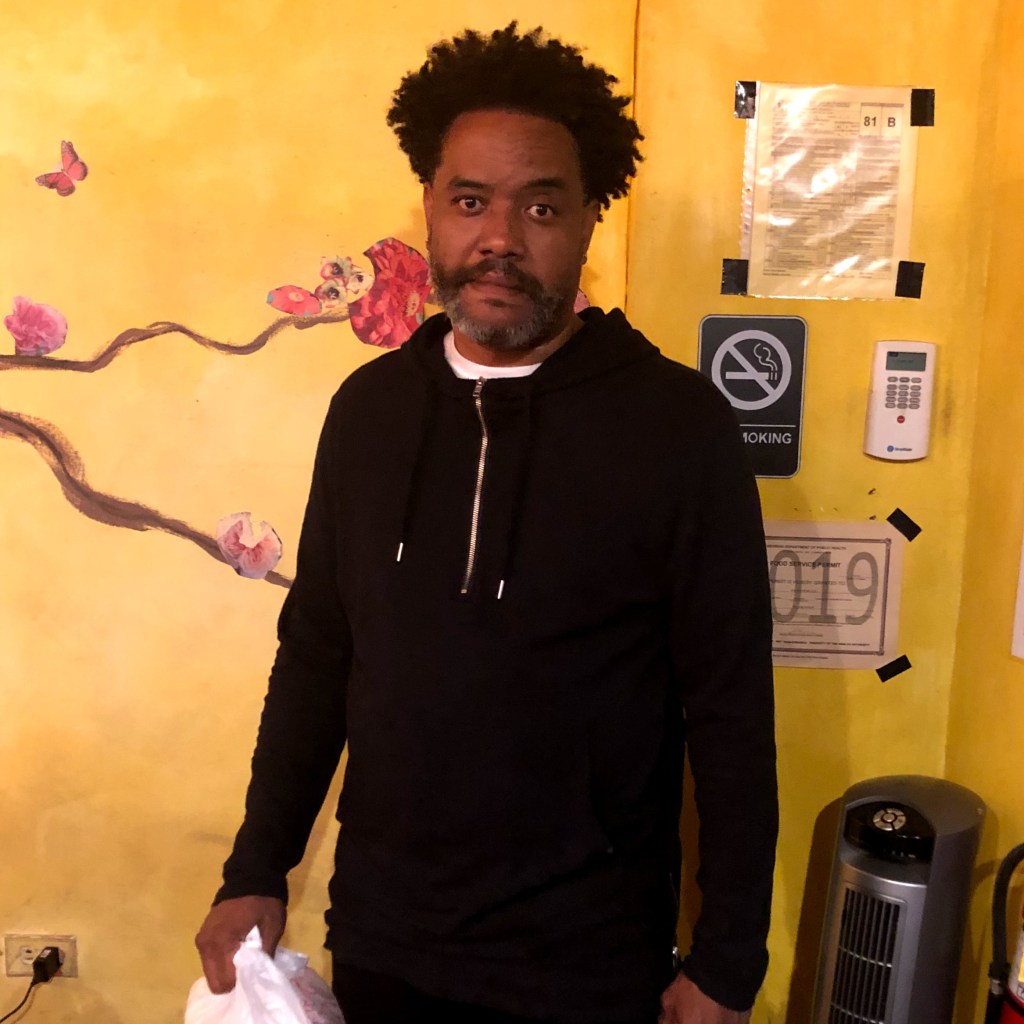
Inside the crowded We Suki Suki food market stall in East Atlanta, Greg Anthony stands near the front window waiting for his order from his new favorite barbecue joint, Grass VBQ. Anthony sees this small, modern restaurant as a welcoming sight for a man of his taste because this is one of the first barbecue joints in Atlanta that is entirely plant-based.

“The first time I came, I got the oyster mushroom sandwich. As I read more about it, I read about it and saw how it was smoked and cooked like how people would cook regular meat. I saw that the flavor is there,” said Anthony.

Anthony, who has been a vegetarian for the last three years and has a vegan son, is one of the thousands of people in Atlanta who have been looking for restaurants that offer plant-based alternatives for the food that they love. Until recently, the need for a meatless option for barbecue had not been met but changed when Chef Terry Sargent introduced Grass VBQ in East Atlanta Village in September 2019.

Sargent, who made an appearance on Food Network’s “Beat Bobby Flay” brings 19 years of culinary experience with him to Grass VBQ. The last six of those years have been spent focusing on introducing plant-based cuisines to Atlanta after he decided to start living a plant-based lifestyle.

“It was definitely for health reasons I owned a catering company about six or seven years ago. It was very taxing on my body, so I needed to make a change,” said Sargent. 

“I started to develop certain ailments like tendentious and things like that. After a while, I started to watch a few documentaries and decided to make that change in my life. After I did that, everything changed,” he said.

After finding the joy and benefits of a vegan diet, Sargent wanted to share what he saw with his customers and decided that another change was needed, and soon the inspiration for Grass VBQ followed.

“Still working in restaurants and cooking meats and dairy, still working with those items. I didn’t want to do that anymore,” says Sargent.

“I thought that if I’m going to live this lifestyle, then I’m going to live it 100 percent. So, I quit my job and open this place up after I did a Fourth of July event with some barbecue, and it was a huge success,” he says.

Sargent is not alone in his need to share a plant-based cuisine with the outside world. Akeem Bumpass has been a vegetarian and then a vegan for a combined seven years. Before Grass VBQ, he would do vegan pop-ups with his roommate that gave him a creative outlook to share the joys of a plant-based diet with his friend and family. 

“I get excitement from cooking for people. Cooking for people makes me happy. Especially if somebody eats meat and I can introduce them to an alternative that is healthier, and they can enjoy that fulfills me,” says Bumpass. 

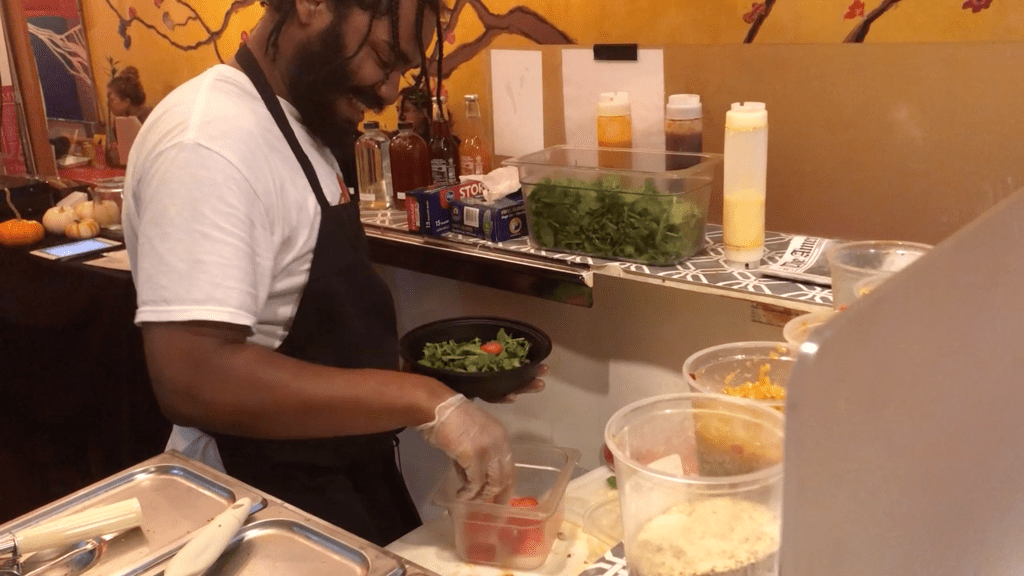
Akeem Bumpass was working at Holy Taco up the street and doing vegan pop ups before he came to Grass VBQ.

Grass VBQ is only in its third month of business, and Sargent is already thinking ahead for the next step for himself and his new company.

“We are looking for a second location. Not looking to franchise anything but honestly, stay local and not take this thing beyond what it is,” says Sargent. 

“Open up a vegan fine-dining spot because there’s nothing like that here. Also, a vegan breakfast spot because there’s no vegan breakfast around here except for like one place. It’s just more so filling a need,” he says.

Five ways Atlanta is addressing the HIV crisis

Organizations like AID Atlanta are part of the city wide effort to address the growing number of prevalent HIV cases in metro Atlanta.

In 2018 researchers considered some parts of Atlanta to have an HIV epidemic similar to some third world nations in Africa. Here are five ways that Atlanta is trying to solve the HIV crisis. 

  1. Governor Brian Kemp signed House Bill 217 into law in April. Lawmakers believe that this will create a safe needle exchange program that will discourage the use of old syringes for medical purposes.  
  2. Kemp also signed House Bill 290 into law as well in April. The new law will create a pilot program for the distribution of the PrEP pill to people who are considered to be at high risk to contract HIV.
  3. Fulton County received a $2.5 million federal grant in September to help serve minority men who have HIV and those who may be at risk. According to the website AIDSvu from Emory University, black men are five times more likely to live with HIV than white men.
  4. Mayor Keisha Lance Bottoms offered free and confidential HIV testing on Nov. 30, 2018, at Atlanta’s city hall. The service provided in partnership with AID Atlanta was a way for Bottoms to promote HIV & AIDS awareness throughout the city.
  5. Dwain Bridges and Larry Walker created Thrive SS in 2017. A non-profit organization that opened a transitional home for men and transwomen who are HIV positive. 

According to data from the Fulton County Department of HIV Elimination, over 40,000 people carried cases of HIV across metro Atlanta in 2017. Efforts by local and state government officials have shown they are ready to fight the growing crisis.  

Helping Atlanta end a silent epidemic


Eldredge Washington, community liaison for the West Care Foundation, helps educate students at Georgia State about HIV prevention and care during a free HIV testing event on Sep. 17

Eldredge Washington watches as hundreds of students walk in and out of the black curtains in front of him on Georgia State’s campus. Behind those curtains, people are taking advantage of the free HIV testing that is being offered by the school and the West Care Foundation.

Washington hopes that events like this will help remove the negativity surrounding HIV so people who are infected can get the care they need. “The number one thing is removing the stigma of testing. More people need to get tested because it not only gives people their status, but it allows us to educate them,” he said.

Washington talking to a group of young men after a meeting for Black Men Lab on Oct. 7.

Washington is one man out of hundreds of people who are trying to teach Atlanta about HIV prevention and care. “Young people are a big cause for me, but this is something that is a natural epidemic, and the community needs to fight,” he said.

According to the Fulton County Board of Health, in 2017, there were over 40,000 prevalent cases of HIV in metro Atlanta. Men were the predominant carriers of the virus, with a 79% infection rate and 67.4% of transmissions happening with male-to-male sexual contact. The black community was also disproportionately affected, carrying 69.7% of the prevalent cases.

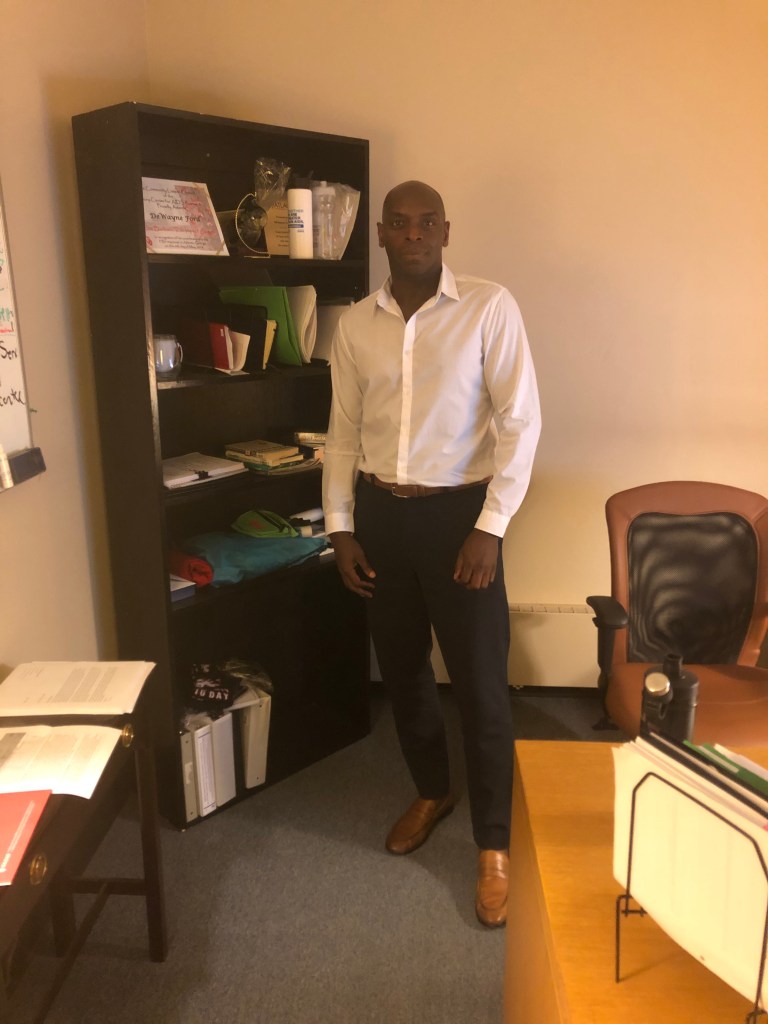
DeWayne Ford, director of prevention services for AID Atlanta shares the importance of HIV prevention and care with communities throughout Atlanta.

DeWayne Ford, director of prevention services for AID Atlanta, says lack of testing is one reason that HIV is effecting so many people in the city. “HIV is a very hard virus to contract as with any real pathogen type virus. Research shows that if a person doesn’t know they have the virus, they could unknowingly transmit the virus to their partner as HIV symptoms are often asymptomatic,” he says.

Ford says the message of HIV prevention is important.  “The prevention message goes with in the care message. If a person goes out and gets the tools they need like consistent condom usage or PrEP, then that person can remain HIV negative. If a person is HIV positive and can access care, start an ARV (antiretroviral treatment) and take the medicine prescribed, viral suppression will happen. These two risk reduction methods, when used properly, eliminates the possibility of HIV transmission,” he said.

One of the most important elements both Ford and Washington like to rely on to prevent HIV transmission is proper education about safe sex and the virus. Washington emphasizes how education is just as important for younger generations as it is for the older ones.

“The approach is different, but the message is the same. There are a lot of people, both young and old, who are very uneducated about how sex is related to the transmission of HIV. The message is almost the same, but the delivery is different. We have [a] curriculum that works with young people, wherewith older adults it may be a group conversation or a one-on-one conversation,” says Washington.

In his journey, Washington is finding encouragement in several bills that were passed in Georgia Assembly and signed into law by Governor Brian Kemp. House Bill 217 creates the groundwork for a clean needle exchange program, and House Bill 290 helps creates a pilot program for the PrEP pill. “I think that once you begin to marry legislation with real change, you’ll begin to see a difference, and that’s what you see there. I do think that when you start thinking about treatment and what it takes to get people back to being safe and healthy, we have to be aggressive,” says Washington.